Ελληνικά
 Español
 English

For patients and families
Hereditary risk assessment, genetic testing options, interpretation of results and informing your family. Online sessions for residents of Greece and, from December 2026, appointments in Athens.
Genetic counselling helps you explore whether cancer in your family could be linked to an inherited predisposition and understand what a genetic test result means for you and your relatives.
With clear, evidence-based information and personalised guidance, you can consider your options and discuss the next steps with your doctors.
Hereditary risk assessment, genetic testing options, interpretation of results and informing your family. Online sessions for residents of Greece and, from December 2026, appointments in Athens.
Patient referrals with a written summary for the doctor (with the patient’s consent), specialised advice on cases, support for oncology teams, and teaching.
Referrals and servicesCancer at a young age, the same or related cancers in several relatives, or rare tumours can point to an inherited predisposition. Counselling looks at whether genetic testing makes sense for you.
A positive, negative or uncertain result needs to be interpreted in the light of your personal and family history, the type of test and the question it was meant to answer.
If a pathogenic or likely pathogenic variant linked to inherited cancer risk has been found in a relative, it may make sense for you to be tested for that specific variant. Counselling helps you understand what it means and what your options are.
Genetic testing can sometimes inform treatment and screening decisions, and matter for your relatives. Counselling helps you weigh it up with your medical team.
Genetic counselling is more than the explanation of a result. It combines risk assessment with an understanding of the personal and family implications, so that you can consider your options in the light of what matters to you.
What genetic counselling isThe European standard for genetic counsellors
Send a short message through the contact form. A referral is not necessary.
I reply myself to talk through your question, whether counselling is the right next step, the format and the fee. I explain the process, availability and fee before we schedule the session.
In the session we review your personal and family history, discuss genetic testing or any existing results, and identify the questions that need further investigation. You receive a written summary which, if you wish, can be shared with your doctors.
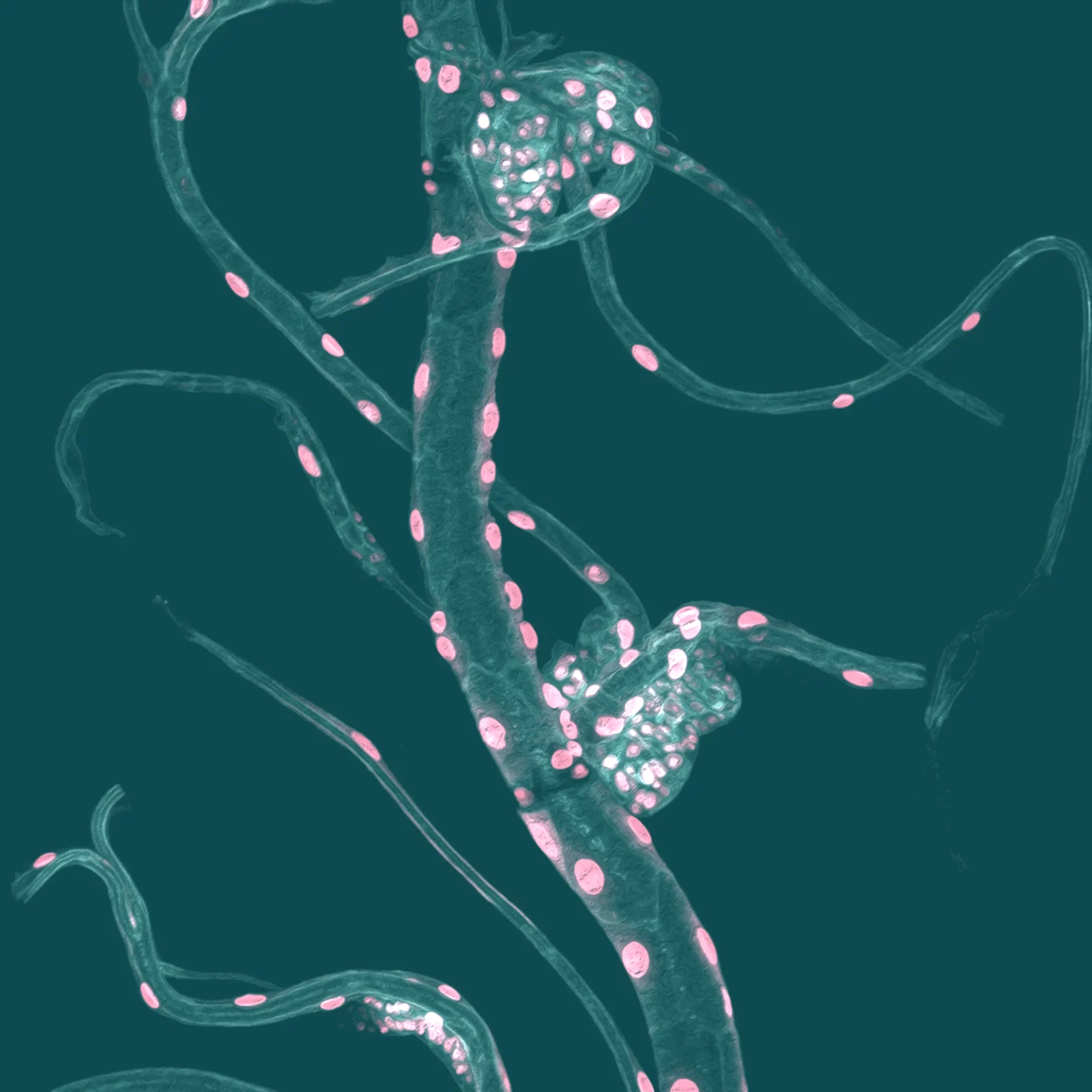
Alongside genetic counselling, I work as a researcher in biomedicine. My research focuses on molecular and cell biology, with a particular interest in the regulation of gene expression and how cells respond to stress. This research experience is also part of my approach to genetic counselling, where I place particular emphasis on scientific evidence, careful interpretation of findings and recognising the limits of what we know.
My researchGenetic counselling complements your medical care. Diagnosis, treatment and prescribing are the responsibility of your treating doctors. With your consent, a written summary of the session can be shared with them, so that there is a common understanding of the findings and the next steps.